Iran’s military leaders warned they will hit U.S. ships and regional infrastructure if fighting resumes, raising the stakes for American sailors and global energy flows.
Story Highlights
- Senior Iranian officials issued conditional threats to strike U.S. assets and key infrastructure if hostilities restart.
- Iran’s naval arm warned it could attack vessels “anywhere in the region,” citing routes tied to the Strait of Hormuz.
- Reports said Iran claimed a tanker strike and asserted control of the Strait, which U.S. Central Command disputed.
- Analysts tracked at least 12 tanker attacks in late September and early October, signaling action beyond rhetoric.
What Tehran Said And Why It Matters
Senior Iranian figures publicly warned they would expand targets if the United States renews strikes. A top security official said data centers, communications cables, and artificial-intelligence facilities could be in range. An Islamic Revolutionary Guard Corps adviser vowed a “heavier and crushing response” to any U.S. missile or aircraft attack. Another senior adviser warned of “full-scale offensive operations” if fighting restarts. These threats were clearly conditional but direct about potential U.S. and regional targets.
Iran’s navy also raised pressure on shipping. It threatened to attack vessels using routes it considers unauthorized in or out of the Strait of Hormuz, and said it could strike “anywhere in the region.” That stance aims to raise risk for commercial traffic and allied escorts. It is a classic coercion pattern: target the chokepoint, spook insurers, and try to make the West back down. The warning came as tensions rose over possible renewed U.S. action.
From Words To Suspected Attacks At Sea
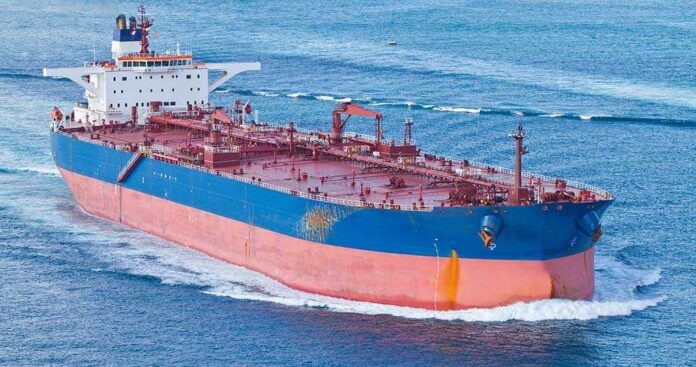
Iranian state media claimed the Islamic Revolutionary Guard Corps struck a commercial liquefied petroleum gas tanker named NV Sunshine and asserted control over traffic in the Strait. Independent outlets reported more tanker incidents around the same time. The Critical Threats Project, citing three maritime-security sources reported by Reuters, said at least 12 tankers were attacked in or near the Strait between September 28 and October 5. That pace suggests activity beyond mere threats.
U.S. Central Command pushed back on Tehran’s claims of control. It said Iran does not control the Strait and noted the continued passage of thousands of ships and huge volumes of oil. This clash of narratives matters for markets and for our Navy. If Iran can scare shippers and raise insurance costs, it can hit Americans at the pump without a formal blockade. If the United States keeps lanes open, it blunts Iran’s leverage and protects global supply.
What Is Verified, What Is Disputed
Not every reported strike or claim is settled. Some incidents involved unknown projectiles or competing attributions. Iran’s claim of a specific tanker attack came through state media, and other episodes had incomplete public forensics. Analysts still assessed a pattern of harassment and strikes against shipping. The bottom line is clear enough for planning: threats are explicit, some attacks are credible, and Iran is trying to raise costs for the United States and its partners without announcing a formal war plan.
The most extreme claim—that Iran is set to invade neighboring countries—remains unproven in public reporting. The record shows conditional threats tied to renewed U.S. strikes, plus pressure at sea. It does not show open mobilization for a ground invasion. That said, Tehran’s leaders threatened to expand to “full-scale offensive operations” if fighting resumes, and warned about a wider target set, which could pull in U.S. bases and regional infrastructure. That risk demands vigilance and strong deterrence now.
How This Hits American Interests And Energy Prices
Any spike in Gulf risk hits our families in fuel and food costs. Tanker delays and higher insurance rates raise the price of gas, diesel, and shipped goods. Iran knows this and uses it. It also tries to split allies by making some pay more than others. President Trump’s team must keep sea lanes open, back convoy security, and be ready to strike maritime threats that target U.S. or allied ships. Strong, clear rules backed by force reduce crisis gambling.
What The Trump Administration Must Weigh Next
The administration faces a choice set: maintain pressure to deter Iran, avoid steps that hand Tehran a propaganda win, and protect sailors and trade. Clear red lines should cover mines, drones, missiles, and boarding attempts that endanger crews. Publicly exposing Iranian methods and supply chains can rally partners. Precision responses against actual launch sites and maritime nodes—when justified—can punish aggression without broad escalation. This approach defends America, the Constitution’s duty to provide common defense, and our energy security.
Sources:
thegatewaypundit.com, iranintl.com, thenationalnews.com, criticalthreats.org, ground.news, political.org, gulfnews.com, gulf-times.com