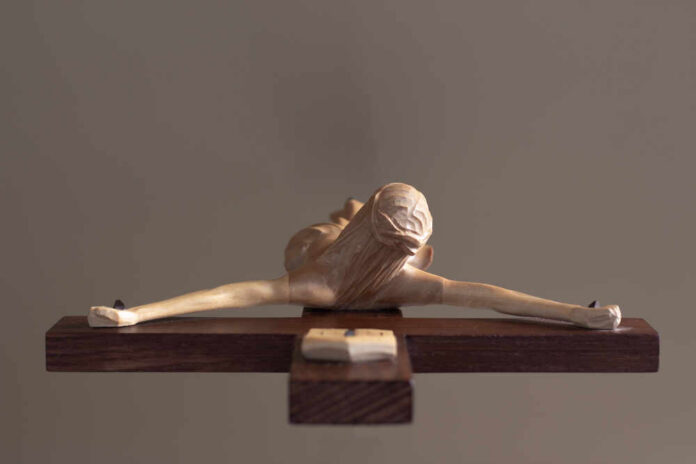
A viral photo of a soldier smashing a crucifix in a Lebanese Christian village forced Israel’s military and political leadership into a rapid, high-stakes test of accountability.
Quick Take
- Two IDF soldiers were sentenced to 30 days in military detention and removed from combat roles after a crucifix statue was destroyed in Debel, southern Lebanon.
- The IDF confirmed the image’s authenticity, condemned the act as a serious breach of orders and values, and assisted in replacing the statue.
- Six other soldiers present during the incident face pending disciplinary action for failing to intervene.
- Israeli leaders, including Prime Minister Benjamin Netanyahu and Foreign Minister Gideon Sa’ar, issued rare public apologies amid backlash from Christian and Jewish leaders.
What happened in Debel—and why the image spread so fast
Israeli military officials say the incident occurred April 19 during operations in Debel, a Maronite Christian village in southern Lebanon. A soldier used a blunt tool described across reports as a sledgehammer or an axe to destroy a statue of Jesus on the cross at a private shrine in a family’s garden, while another soldier photographed the act. The image was posted online and went viral, triggering international outrage and pressuring the military to respond publicly.
Because the photo circulated outside the usual chain of military reporting, the public reaction became the main accelerant. Once the IDF confirmed the photo was real and opened an investigation, the story shifted from “did it happen” to “what does the institution do about it.” In a region where religious symbols carry enormous weight, the optics mattered as much as the physical damage, especially with Christian communities living amid an active conflict zone.
IDF discipline: detention, removal from combat, and wider accountability
By April 21, the IDF had sentenced the two soldiers involved to 30 days in military detention and removed them from combat roles. Reports also indicate they were dismissed from their positions. The IDF said the conduct deviated from orders and values and expressed regret, emphasizing that Israeli operations in the area are aimed at Hezbollah, not civilians or religious sites. The military also helped replace the damaged statue, a step meant to show tangible restitution.
The accountability effort did not stop with the two principal soldiers. Six additional soldiers who were present during the incident were called in for further clarification discussions and potential disciplinary action, reflecting a command focus on bystander responsibility and unit culture. That detail matters, because militaries often struggle with the “everyone saw it, nobody stopped it” problem. If follow-on discipline is uneven or unclear, public skepticism tends to harden, regardless of initial punishments.
Political and faith leaders weigh in as a conflict spills into culture
Israel’s top political leadership quickly added its voice, with Netanyahu expressing regret and promising harsh action, and Sa’ar describing the incident as grave and disgraceful while signaling confidence that strict measures would follow. Christian leaders in the Holy Land publicly condemned the desecration and demanded decisive accountability. Meanwhile, a group of roughly 150 Jewish leaders issued an open letter decrying the act as a desecration of God’s name and apologizing to Christians.
The convergence of condemnations is notable because it cut across national, religious, and political lines at a time when such alignment is rare. It also underscored how modern conflict is fought on two fronts: the physical battlespace and the information environment. One soldier’s misconduct—captured, posted, and amplified—became a reputational crisis that neither official statements nor operational goals could simply “message away.” The IDF’s rapid replacement of the statue was a concrete response to a symbolic offense.
What the episode signals about discipline, legitimacy, and “institutions under stress”
For American readers watching from afar, the broader lesson is less about taking sides in a Middle East war and more about how institutions preserve legitimacy when individuals violate basic norms. Conservatives tend to value order, chain of command, and respect for faith; liberals tend to worry about abuses of power and impunity. In this case, the available reporting shows swift punishment and restitution, but it also highlights how quickly trust can be damaged by one viral act.
Israeli Military Jails Two Soldiers Over Jesus Statue Desecration — Damaged Statue Quickly Replaced https://t.co/6aOF9q4ThF #gatewaypundit via @gatewaypundit
— Brian Craig 🇺🇸 (@BrianCraigShow) April 22, 2026
There are still limits to what’s publicly known: the soldiers’ names have not been disclosed, details differ slightly on the tool used, and outcomes for the six bystanders were still pending in the reporting window. Even so, the core facts are consistent across multiple outlets: the IDF verified the incident, punished the offenders, and moved to repair the damaged shrine. The long-term test will be whether discipline is consistent enough to deter copycat behavior and reassure vulnerable communities.
Sources:
Some 150 Jewish leaders decry IDF soldier’s destruction of Jesus statue
IDF soldier jailed for smashing Jesus statue with an axe in Lebanon
Lebanon: Israeli military to investigate soldier who destroyed Jesus statue amid backlash
2 troops dismissed, jailed for smashing statue of Jesus in southern Lebanon