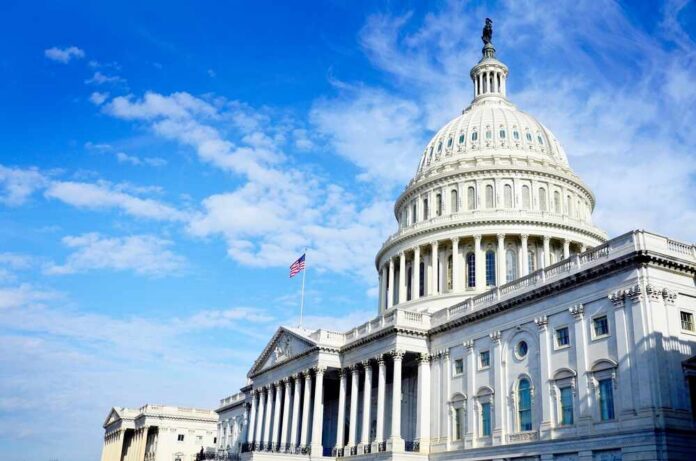
More than 100 U.S. military veterans were arrested after occupying a U.S. Capitol office building—an image that cuts straight into America’s rawest question: who gets heard in Washington, and who gets hauled away?
Story Snapshot
- Veterans and anti-war groups occupied the Cannon House Office Building on April 20, 2026, protesting the U.S. war in Iran and U.S.-backed policy tied to Gaza.
- Capitol Police moved in and arrests followed; reporting also described at least one veteran injury, though details remain limited.
- Organizers connected multiple foreign-policy flashpoints—Gaza, Iran, Lebanon, and even fears of a Cuba operation—into one coordinated protest message.
- Coverage split sharply: supporters framed civil resistance; critics compared the occupation to disruptive “insurrectiony” tactics and questioned how the group entered.
What happened inside the Cannon Building—and what is confirmed
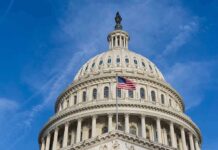
Over 100 U.S. military veterans entered and occupied the Cannon House Office Building, part of the Capitol complex, on Monday, April 20, 2026. Organizers and participants said the action targeted U.S. policy in the Iran conflict and America’s role in supporting Israel amid the Gaza war, which protesters described in the most severe terms. Capitol Police responded and began arrests as the occupation unfolded, ultimately dispersing the group.
Reports identified multiple veteran-linked anti-war organizations behind the action, including About Face, Veterans for Peace, Common Defense, the 50501 Vets Contingent, Military Families Speak Out, and the Center on Conscience and War. One participant highlighted in coverage was Greg Stoker, described as both a protest participant and a congressional candidate in Texas. Public details on the exact number arrested, specific charges, and whether lawmakers were directly confronted inside the building remained unclear in the available reporting.
A protest built on recent “disruption” tactics—and why that matters politically
The Cannon Building occupation did not appear out of nowhere. Veteran-led protests have escalated over the past year from interruptions of official proceedings to larger, more physical demonstrations aimed at forcing attention. In September 2025, Army veterans disrupted a Senate Foreign Relations Committee hearing, accusing lawmakers of complicity in Gaza-related deaths; they were removed and restrained. That earlier episode, now cited as precedent, shows how foreign policy fights are increasingly landing on Congress’s doorstep.
For conservatives who value public order and equal enforcement, the core issue is less about whether protesters are veterans—and more about whether institutions apply rules consistently. Occupying a federal building is inherently confrontational, and critics framed the event as an “insurrectiony” disruption rather than peaceful assembly. At the same time, the participants’ veteran status complicates public reaction: many Americans reflexively respect service members, yet also expect veterans to uphold lawful channels rather than paralyze government operations.
Competing narratives: moral authority vs. security and process
Supporters circulated messaging that framed the arrests as proof that dissent is punished while pro-war decision-makers thrive in Washington. The protest’s own framing also bundled multiple claims—war in Iran, alleged atrocities in Gaza, ethnic cleansing in Lebanon, and even a possible U.S. invasion of Cuba—into one broad indictment. That breadth can energize activists, but it also makes the protest easier to dismiss as ideological theater if specific policy demands and verifiable facts are not clearly articulated.
The deeper trend: distrust in government, and why both sides feel played
The public reaction fits a larger 2026 reality: distrust of federal leadership is widening across the right and the left, even when Americans disagree on solutions. Conservatives often view Washington as captured by globalist priorities and endless interventions, while liberals frame the problem as militarism and inequality. In both versions, elites appear insulated from consequences. When veterans—people who carried out policy—show up at the Capitol in protest and get arrested, it reinforces the sense that the system protects itself first.
Veterans Occupy US Capitol to Protest War in Iran, Genocide in Gaza/// Prolly not ALL veterans, but OLD demcrack in army uniforms.. maybe? @POTUS @VP @seanhannity @SenTedCruz @SenJohnKennedy @Jim_Jordan @GovRonDeSantis @GregAbbott_TX @SenTomCotton https://t.co/DWXY0iWhf4
— mummykins 🇺🇸 (@mummykins11) April 21, 2026
Key factual gaps remain. Available reporting did not provide a complete official accounting of arrests, an authoritative explanation of the reported injury, or a clear record of how entry and building access were handled. Until Capitol Police releases fuller details and more outlets corroborate specifics, responsible analysis should separate the confirmed basics—occupation, organizing groups, arrests—from the more speculative claims about insider assistance or staged entry. Transparency from Congress and law enforcement would lower the temperature and rebuild credibility.
Sources:
Veterans Occupy US Capitol to Protest War in Iran, Genocide in Gaza
Veterans Occupy US Capitol to Protest War in Iran, Genocide in Gaza
Army Veterans Disrupt Senate Hearing to Accuse Members of Complicity in Gaza Genocide