A prominent Black conservative doctor was once placed in a “hate” database alongside neo-Nazis—and the organization later quietly admitted it shouldn’t have happened.
Quick Take
- In October 2014, the Southern Poverty Law Center (SPLC) added Dr. Ben Carson to its “Extremist Files,” citing his views on marriage, Obamacare, taxes, and government power.
- Conservative outlets argued the listing blurred the line between mainstream policy disagreement and actual extremism—especially with Carson grouped near violent or supremacist figures.
- In February 2015, SPLC removed Carson’s profile and apologized, saying it did not meet the group’s standards, though it still defended scrutinizing some of his comments.
- The episode became a case study in how “extremist” labeling can shape public perception and deepen distrust in influential nonprofits and institutions.
How Carson Ended Up in an “Extremist” Database
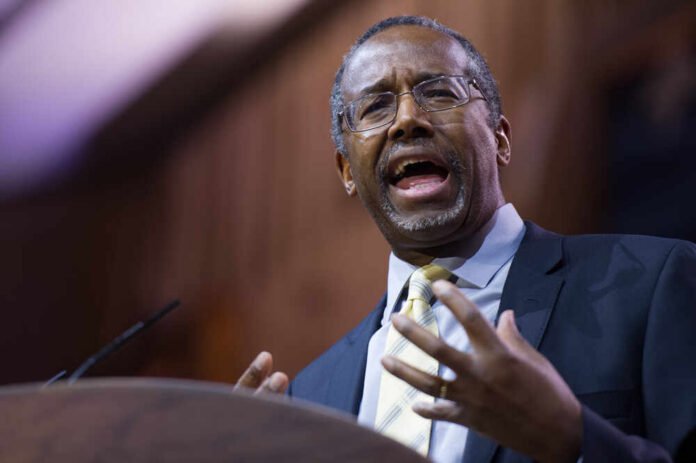
In October 2014, SPLC published an “Extremist File” on Dr. Ben Carson, then a retired Johns Hopkins neurosurgeon and rising Republican political figure. The profile focused on Carson’s public positions: opposition to Obamacare, support for traditional marriage, and warnings about government overreach. SPLC also highlighted Carson’s comments about a possible “government takeover” and concerns about martial law, presenting those statements as evidence of extremism rather than ordinary political rhetoric.
The controversy wasn’t only about what SPLC quoted—it was about where Carson was placed. SPLC’s database is commonly associated with tracking violent or supremacist movements, and critics said Carson’s inclusion effectively equated mainstream conservative policy positions with genuine hate ideologies. That critique gained traction because Carson, a well-known Black conservative with no known link to violence or racial supremacy, was depicted within a system generally used to map extremist networks.
Why the Backlash Hit Harder Than a Typical Media Dispute
The backlash spread through conservative media and legal commentary from late 2014 into early 2015, with writers arguing SPLC was expanding definitions of “extremist” to cover ordinary political disagreement. Critics pointed to the practical power SPLC holds because journalists, advocacy groups, and even some government-adjacent conversations have historically referenced SPLC materials. When a label travels through institutions, it can damage reputations and chill speech, even if the underlying conduct involves policy arguments rather than threats or criminal behavior.
The Carson listing also revived older debates about SPLC’s approach to social conservatism. The organization has tracked a broad range of groups and individuals—some violent, some nonviolent—under frameworks that critics say can turn contested cultural disputes into moral indictments. Prior controversies included SPLC’s labeling of the Family Research Council, a dispute conservatives cite as an example of how heated rhetoric can contribute to real-world consequences when unstable individuals treat “hate” lists as justification for violence.
SPLC’s Removal and Apology—But Not a Full Retreat
In February 2015, SPLC removed Carson’s profile and issued an apology, stating the entry did not meet its standards. That reversal mattered because it confirmed that, by SPLC’s own internal measure, the listing crossed a line. At the same time, reporting indicated SPLC still defended continued “examination” of certain Carson quotes and suggested a more thoroughly researched profile could have been produced, even if the original did not qualify.
What the Episode Still Signals in 2026
Even though the dispute largely ended more than a decade ago, the underlying dynamic remains current: powerful institutions can apply reputational labels that function like informal sanctions, without due process and with limited accountability. In today’s politics—where many Americans on both the right and left say the system protects insiders while punishing outsiders—episodes like this reinforce a sense that “expert” gatekeepers can weaponize credibility. That mistrust persists regardless of party control in Washington.
FLASHBACK: In 2014, the Southern Poverty Law Center Put Dr. Ben Carson on an 'Extremist' List https://t.co/14Yp9Brlgc #gatewaypundit via @gatewaypundit
— Woodrow Williams (@Woodrow17165268) April 24, 2026
For conservatives, the lesson is straightforward: when a watchdog group treats conventional positions on health care, taxes, guns, or faith as markers of extremism, it narrows the space for legitimate democratic debate. For liberals, the case also raises a basic governance question: if “extremist” is defined too broadly, it becomes harder to identify and stop truly dangerous movements. SPLC’s apology shows the risk of overreach—and how difficult it is to restore trust once labels have already done their work.
Sources:
Ben Carson Labeled ‘Extremist’ by SPLC
SPLC removes Ben Carson from extremist list, issues apology
SPLC Finally Removes Dr. Ben Carson From Its ‘Extremist Files’ List Alongside Klansmen
Ben Carson Added to the Southern Poverty Law Center’s ‘Extremist Files’