Immigration and Customs Enforcement quietly paused most vehicle stops nationwide after two deadly shootings, raising urgent questions about safety, training, and accountability.
Story Highlights
- ICE ordered a temporary nationwide pause on most vehicle stops after two fatal shootings.
- Agents can still stop vehicles for serious criminal targets, but routine stops are paused.
- ICE says it is reviewing tactics and training to protect officers and the public.
- No public timeline exists for lifting the pause, and body cameras remain uneven.
What ICE Paused And Why It Matters
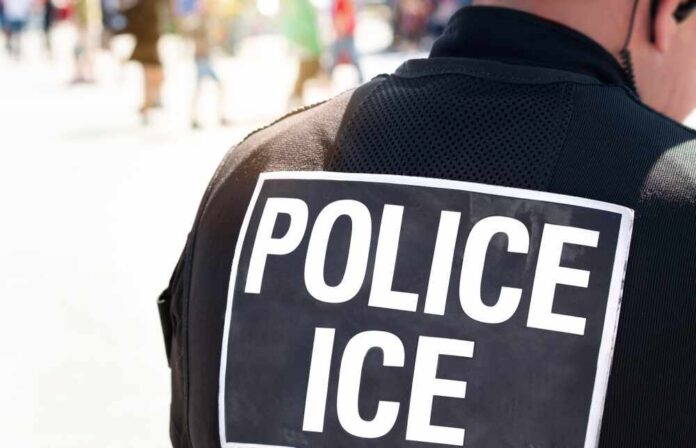
Multiple outlets report Immigration and Customs Enforcement ordered agents to suspend most vehicle stops across the country after two fatal shootings within one week in Maine and Texas. The order allows exceptions for serious criminal targets. A senior Department of Homeland Security official said the pause gives leaders time to study the incidents and set added training. ICE has not posted a formal memo, but brief statements confirm a review to keep officers and communities safe.
CBS News, citing several law enforcement sources, said the pause is temporary and tied to added training on vehicle stop tactics. Agents can still act on violent offenders and major threats. The change seeks to reduce risks tied to fast-moving car encounters. It also aims to standardize how agents approach vehicles, position units, and decide when to disengage. The report did not include an end date for the pause, and the agency did not release detailed training modules publicly.
The Deadly Incidents Driving The Pause
Reports say the two people killed in Maine and Houston were not the intended targets of the operations. In both cases, agents were not wearing body cameras despite a prior pledge and funds set aside for a national rollout. That gap deepened public anger and made fact-finding harder. Critics say initial official accounts have shifted as witnesses came forward. The lack of full footage has fueled calls for outside review and more transparency on use-of-force decisions.
In the Houston case, eyewitnesses challenged an early claim that a driver used his vehicle as a weapon, showing the stakes of getting the facts right from the start. In Maine, the Department of Homeland Security said an officer feared for public safety, but did not release supporting evidence. These disputes have increased pressure on the agency to release complete records, including videos and agent statements, so the public can see what happened and why force was used.
Training, Body Cameras, And The Rulebook
ICE says it is evaluating procedures to keep officers safe while taking criminals off the streets. That balance is the core mission. But the body camera rollout still lags years after promises and funding. Slow execution hurts both officer defense and public trust. Clear footage can protect a good agent from false claims and expose bad tactics fast. Until cameras are standard and on, every disputed stop will invite doubt, lawsuits, and more political heat.
BREAKING: Border Czar Tom Homan announces the freeze on ICE performing immigration vehicle stops is only a "TEMPORARY PAUSE" — he says illegal alien arrests will not be impacted
"I hear a LOT of noise this right now: 'This is gonna effect ICE arrests.' It's NOT going to!"
Homan… pic.twitter.com/EG1I3EwvOj
— Sergeant News Network (@sgtnewsnetwork) July 14, 2026
Vehicle stops are some of the most dangerous moments in law enforcement. Policy should reflect that truth with firm steps: tighter rules on when to box in cars, clearer language on when to disengage, and strong bans on shooting at moving vehicles unless there is an immediate deadly threat. Many big city departments moved that way years ago. Immigration and Customs Enforcement should publish its updated guidance and show its training plan so the public sees real improvement, not a pause with no follow-through.
Politics, Safety, And The Constitution
Senator Susan Collins urged the Department of Homeland Security to end non-urgent vehicle stops while reviews proceed, showing bipartisan concern. Meanwhile, activists and some politicians want to gut enforcement outright. That is the wrong answer. The nation needs firm, lawful immigration enforcement that targets criminals and removes repeat offenders. The Constitution demands due process and reasonable suspicion. Americans also deserve streets where federal officers and families are not put at needless risk.
Under President Trump’s second term, the mission is clear: secure the border, remove criminal offenders, and follow the law. This pause should be brief and used well. The agency should publish a timetable, roll out body cameras fast, and release findings from the Maine and Houston probes with as much video as possible. Sunlight protects good officers, deters bad behavior, and restores trust. Then agents can get back to stopping the worst actors with smart, safe tactics.
What To Watch Next
Watch for the updated training policy, camera deployment data, and the final investigation reports. Look for consistent standards across field offices, not patchwork rules. Expect sharper oversight on when agents may initiate a stop, coordinate with local police, and escalate force. If leaders deliver clear, public rules with video accountability, agents can do their jobs and communities can breathe easier. That is how you defend the rule of law and protect American families at the same time.
Sources:
immigrantjustice.org, immigrantdefenseproject.org, cliniclegal.org, cbsnews.com