
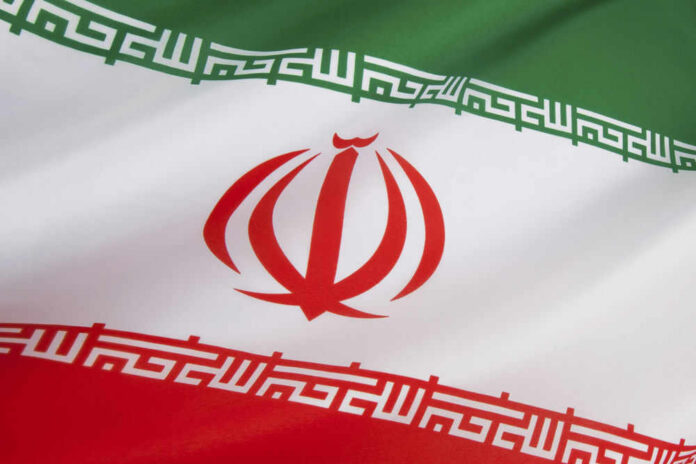
After two rounds of bombing and three rounds of diplomacy, Iran’s nuclear stockpile is still the mystery that could decide whether the Middle East tips into a wider war.
Quick Take
- Indirect U.S.-Iran talks in February 2026 collapsed after Tehran rejected zero-enrichment demands and broader limits on missiles and proxies.
- The Trump administration shifted back to military pressure with late-February strikes targeting remaining nuclear-related infrastructure and support sites.
- The IAEA reported it cannot verify any claimed suspension of Iranian enrichment activity after inspectors lost access and “continuity of knowledge.”
- Analysts warn bombing can degrade facilities but cannot erase know-how or reliably account for uranium stockpiles once tracking breaks down.
Diplomacy Broke Down on “Zero Enrichment” and Verification Gaps
U.S. and Iranian officials cycled through three rounds of indirect talks in February—early in the month, then meetings tied to Geneva dates—before negotiations collapsed. Iran’s leadership continued insisting it has a right to enrich uranium, while the United States pressed for full dismantlement, removal of stockpiles, and an end to enrichment. Mediators, including Oman, floated claims of progress, but the basic dispute remained unresolved and the talks ended without a deal.
The verification problem is central. The IAEA issued a confidential assessment indicating it could not confirm Iran had suspended enrichment activities, reflecting how much monitoring has deteriorated since inspectors lost access after 2025 strikes. When inspectors cannot confirm what is happening, diplomacy becomes arguments over claims instead of enforceable facts. That reality increases pressure on Washington to lean on deterrence and military options—because “trust us” is not a safeguards regime.
Trump Administration Returns to Strikes After Talks Stall
After negotiations failed, U.S. strikes resumed in late February, described in reporting as targeting peripheral or supporting elements of Iran’s nuclear enterprise, including research, administrative, or dual-use sites rather than only the best-known enrichment plants. President Trump publicly signaled he would not keep offering chances after Tehran refused core terms. Analysts at CSIS noted that earlier 2025 strikes had already hit the obvious high-value targets, leaving fewer facilities that can be destroyed quickly for decisive effect.
That point matters for Americans trying to understand what “success” looks like. Destroying infrastructure can slow timelines, complicate procurement, and force Iran to rebuild. But the research also underscores limits: if a stockpile is moved, hidden, or dispersed, airstrikes do not automatically solve the central problem—locating and controlling fissile material. When the program becomes more distributed and covert, the United States can end up stuck between bad options: tolerate ambiguity or escalate to chase it.
The Unaccounted Stockpile Is the Dangerous Variable
Multiple sources describe a core concern: an estimated stockpile of roughly 440 kilograms of uranium enriched to around 60% purity that may be sufficient for multiple weapons if further enriched. After the 2025 campaign hit key sites, analysts warned that the location and status of material became harder to verify. War on the Rocks argued that force can damage facilities yet still leave the hardest parts—material and expertise—intact, and that repeated strikes can even worsen tracking by pushing activities underground.
U.S. officials offered differing but related messages: Iran may not be enriching at this moment, yet could be positioning to restart quickly. That aligns with the basic strategic dilemma highlighted across the research. If Iran can rapidly reconstitute parts of the program and the watchdog cannot verify suspension, the “breakout” question becomes less about rhetoric and more about time. In that environment, American leaders will naturally prioritize prevention, even when the technical facts remain incomplete.
Escalation Risks Rise Around Bushehr and Regional Spillover
CSIS identified Iran’s Bushehr nuclear power plant as a uniquely escalatory risk because a strike there could carry radiological consequences and implicate Russian personnel connected to the site. Separate reporting also described evacuations tied to Russian involvement. This is where escalation becomes less theoretical: a conflict that expands beyond targeted enrichment infrastructure into sensitive reactors or foreign-staffed facilities changes the political and humanitarian stakes, potentially drawing in more actors and hardening positions on all sides.
DAMN RIGHT! A "paper agreement" is a SUICIDE PACT with the devil. We don't need pens; we need to PARALYZE the IRGC's terror machine NOW. @PahlaviReza is the ONLY path to a free Iran. NO SURRENDER! 🌍🇮🇷🇺🇸
— Aref Parsaeinezhad (@parsaeinezhad) February 26, 2026
Inside Iran, the research notes signs of domestic unrest, including anti-regime protests around mourning ceremonies, even as the regime maintains tight control. That matters because internal instability can cut two ways: it can constrain leaders—or push them to double down externally. The available sources do not provide enough verified detail to predict which path Iran will take. What is clear is that weakened inspection access, unresolved stockpile questions, and collapsed diplomacy raise the odds of miscalculation.
Sources:
https://www.criticalthreats.org/analysis/iran-update-february-27-2026
https://www.csis.org/analysis/operation-epic-fury-and-remnants-irans-nuclear-program
https://wtop.com/world/2026/02/how-advanced-is-irans-nuclear-program-heres-what-we-know/
https://understandingwar.org/research/middle-east/iran-update-february-26-2026/
https://press.un.org/en/2026/sc/16307.doc.htm