
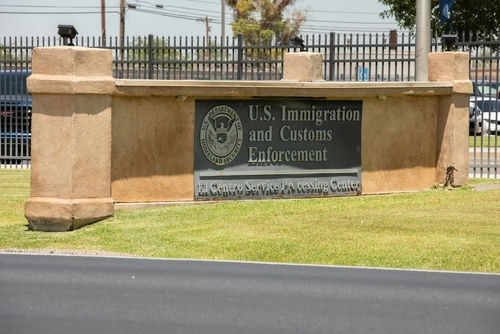
New evidence from inside Camp East Montana shows a massive federal detention camp running on taxpayer money while allegedly breaking basic human rights rules and shutting out public oversight.
Story Snapshot
- An 84-page report says detainees at Camp East Montana face beatings, medical neglect, and filthy living conditions.
- A class-action lawsuit describes measles outbreaks, rancid food, and three deaths in less than a year at the Texas facility.
- A federal watchdog found “significant, pervasive” standards violations under the private operator running the camp.
- The Department of Homeland Security denies the claims, but has not released medical records, video, or incident reports to clear the air.
Inside Camp East Montana: What Detainees Say Is Happening
An 84-page joint report from Human Rights Watch and the American Civil Liberties Union describes Camp East Montana, on the Fort Bliss Army base near El Paso, as a “human rights disaster.” Researchers interviewed 71 people held there over five months. According to the report, 64 of them — about 90 percent — said they were beaten by guards or saw others beaten. Detainees also described bathrooms smeared with feces, flooded housing units, no soap, and weeks without sunlight or fresh air.
The same report warns that some conditions may amount to “enforced disappearances,” meaning people are held without real contact with lawyers or family. Detainees say guards use force when people ask for medical care, complain about food, or join hunger strikes. A 2025 letter from several civil rights groups, sent after interviews with more than 45 detainees, backs up these accounts, citing beatings, sexual abuse by officers, and threats to force deportation to third countries where detainees have no real ties.
Lawsuit, Deaths, and Claims of Severe Neglect
A class-action lawsuit filed in federal court lays out more detail about daily life in the camp. It describes a months-long measles outbreak that infected at least 14 people, rancid food that caused extreme weight loss, and living units without windows, with a constant stench of urine and feces. The lawsuit says some people received only minimal meals, such as two pieces of bread, a slice of processed meat, a piece of cheese, and a cookie three times a day. Plaintiffs say serious illnesses like HIV, cancer, and diabetes went without timely medicine.
The lawsuit and advocacy letters also point to three recorded deaths in less than a year since the camp opened. One man, Geraldo Lunas Campos, reportedly died after asking guards for his inhaler. Witnesses say he was choked, and an autopsy by the local medical examiner ruled his death a homicide. Immigration and Customs Enforcement (ICE) officials called the event “spontaneous use of force,” but a federal watchdog later found evidence from the incident was missing or destroyed. That combination of a homicide ruling and lost evidence has fueled calls for an independent forensic review.
Federal Watchdogs, Private Contractors, and Missing Accountability
Camp East Montana is run for ICE by a private company, Amentum Services, which took over from a previous contractor after early problems. A June 2026 report by the Government Accountability Office, the main federal watchdog for agencies, found “significant, pervasive” violations of detention standards still happening under Amentum. The report cited violent use of force and severe medical neglect as continuing issues, even after the operator switch. This suggests the problem is not just one bad contractor, but a broken system that keeps rewarding failure.
Dozens of people held at Camp East Montana, the ICE detention facility in East El Paso, say they were either beaten by guards or witnessed others being beaten, according to a new report issued Wednesday by Human Rights Watch and the ACLU. https://t.co/lniJMJAcC1
— El Paso Matters (@elpasomatters) July 15, 2026
These findings match a larger pattern in U.S. immigration detention. A recent Senate-backed review of 129 immigration facilities found 922 sexual assault allegations over 44 months, with nearly 30 percent naming staff as perpetrators. Another Senate report documented hundreds of credible human rights violations, including physical and sexual abuse, denial of food and water, and deaths linked to medical neglect. Abuse complaints at other centers also describe spoiled food, retaliation for grievances, and solitary confinement used as punishment. Camp East Montana fits this wider picture of big detention contracts, weak oversight, and suffering behind fences.
Trump Administration’s Enforcement Push and DHS Response
The Trump administration opened Camp East Montana in 2025 as a huge tent city on military land, even after a leaked internal inspection warned it violated more than 60 federal standards in its first 50 days. The facility now holds thousands, making it the largest immigration detention center in the country. The camp’s location inside Fort Bliss, a secure Army base, sharply limits access for reporters, lawyers, and church or community groups. Detainees and advocates say people are often blocked from contacting family members and attorneys, raising serious constitutional questions about due process rights.
At the same time, President Trump reversed a Department of Homeland Security directive that had paused vehicle traffic stops by ICE, arguing that aggressive stops are a “critical crime-fighting tool.” That enforcement-first stance tracks with the growth of mass detention instead of quicker hearings and supervised release. A Department of Homeland Security official has brushed off the Camp East Montana allegations as “fearmongering clickbait,” insisting detainees get proper food, medical care, and communication with lawyers and family. However, the department has not yet released body camera footage, medical records, or detailed incident reports to back up those claims or answer the watchdog’s findings.
What Conservatives Should Watch For Next
For conservative readers, this story raises two core concerns. First, big-government detention that wastes tax dollars while failing to follow basic law-and-order standards is the opposite of limited, accountable government. Second, a powerful federal agency operating behind a military fence, with missing evidence and weak transparency, looks a lot like the kind of unchecked bureaucracy many on the right have warned about for years. If federal officers can ignore rules with migrants today, they can ignore rights with citizens tomorrow.
Several steps could bring the truth to light and restore trust. Full deployment of body cameras for ICE field officers, followed by public release of footage tied to alleged beatings, would either confirm or refute many claims. Court-ordered disclosure of medical logs, food records, and use-of-force reports would show whether measles outbreaks, malnutrition, and assaults match the paperwork. Independent autopsy reviews of all three deaths, plus sworn testimony from guards and medical staff, could clarify what happened and who is responsible. For a constitutional republic, it is not enough to choose enforcement; we also must insist that enforcement stays inside the law.
Sources:
reason.com, elpasotimes.com, elpasomatters.org, chicagotribune.com, aclu.org, npr.org, aclutx.org, hrw.org, kvia.com, pmc.ncbi.nlm.nih.gov, theintercept.com