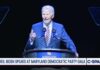
Beloved actor Danny Glover has revealed he is battling Alzheimer’s disease, and he is using his diagnosis to warn Americans about a growing health crisis that families cannot afford to ignore.
Story Snapshot
- Danny Glover, age 79, publicly shared his Alzheimer’s diagnosis in a nationally televised TODAY interview.
- He says the disease, first diagnosed around 2022, is slowing his movement, speech, and memory.
- Glover is partnering with the Alzheimer’s Association to raise awareness and push back against stigma.
- His story highlights how neurodegenerative disease quietly threatens millions of American families.
Glover’s Diagnosis Goes Public on National TV
Legendary “Lethal Weapon” star Danny Glover chose a high-profile, mainstream platform to speak plainly about his Alzheimer’s diagnosis. In a TODAY show interview, aired July 1, he told former NBC Nightly News anchor Lester Holt that doctors first identified the disease just before he received the Jean Hersholt Humanitarian Award at the January 2022 Governors Awards. Glover explained that, since then, he has noticed his movements, speech, and memory slowing down in ways he can no longer ignore.
Glover did not try to hide the reality of a progressive illness. He said he can “live with it, in a sense,” but he knows that “as it advances, things are going to be different and changing.” That kind of straight talk is rare in celebrity culture, where image usually matters more than truth. His openness matters for regular Americans who see loved ones change before their eyes and are often left in the dark by bureaucratic health systems and confused messaging about brain disease.
A Veteran Actor Turns His Battle into Advocacy
With nearly 200 film and television credits over five decades, Glover is a familiar face to many conservatives who grew up watching him on screen. Now he is using that platform for something deeper: warning families about Alzheimer’s. He has partnered with the Alzheimer’s Association to raise awareness, encourage lifestyle changes, and reduce stigma around dementia. The group stresses basics that fit conservative values of personal responsibility, like staying physically active, managing blood pressure and diabetes, getting quality sleep, and staying socially connected.
This move aligns Glover with a wider trend of public figures who share hard truths about brain disease to spur honest conversation. Research shows that when celebrities talk openly about conditions like dementia, it can reduce stigma and push more people to seek help instead of suffering in silence. The Alzheimer’s Association already works with “celebrity champions” who share personal connections to the disease to break down fear and misunderstanding. Glover’s decision places him among those voices, using his own struggle not for political spin, but to help families face reality.
A Quiet Threat to Families in an Aging America
Glover’s story reminds us that Alzheimer’s is not just a medical term, but a real threat to family life and independence. The disease attacks memory, thinking, and everyday skills, slowly stripping away the abilities that let people work, worship, and care for those they love. Doctors note that Alzheimer’s can cause confusion, trouble recognizing people and places, and difficulty carrying out normal tasks around the home. It is progressive, meaning it gets worse over time, and there is still no cure, only treatments that may slow it down for some patients.
Danny Glover has revealed his Alzheimer's diagnosis for the first time ahead of his 80th birthday, opening up about his family's support and more. https://t.co/bSZ9uQkFYX
— Wonderwall (@Wonderwall) July 1, 2026
For conservative households that value strong families and elder wisdom, this is a direct hit. When memory fades, stories of faith, service, and sacrifice are harder to pass down. Caregiving often falls on spouses and adult children who already feel squeezed by high costs of living and a health system stretched thin. Studies on dementia self-disclosure show that honest talk about a diagnosis, plus strong peer and community support, can help families cope and maintain quality of life. That kind of community care matches what many readers already practice in their churches and local networks.
Why Honest Disclosure Matters More Than Celebrity Spin
Some skeptics point out that Glover has not released medical documents or named his neurologist publicly. That is true, and his diagnosis is based on his own statements and close family accounts, not on a posted MRI scan or lab report. But his interview meets known patterns of authentic self-disclosure: first-person description of onset and progression, detailed symptoms, and the emotional weight of living with a stigmatized condition. Research on dementia and mental health suggests these kinds of specific, vulnerable accounts tend to reflect real experience rather than scripted branding.
For readers who worry about media using celebrity stories to push big-spending health agendas or pharmaceutical profits, that concern is fair. Drug makers and advocacy groups do seek high-profile faces. Yet the core of Glover’s message lines up with common-sense, low-cost steps any family can take: stay active, watch your blood pressure, get good sleep, and remain involved with your community. Those are not partisan talking points; they are simple habits that protect brain health and reduce risk. A wise approach is to accept the real warning about Alzheimer’s, while staying alert to any future attempts to twist his story into another excuse for bloated programs and unchecked spending.
Sources:
facebook.com, hollywoodreporter.com, deadline.com, bbc.com, variety.com, abcnews.com, reddit.com, pmc.ncbi.nlm.nih.gov